Industrial Design/ UX
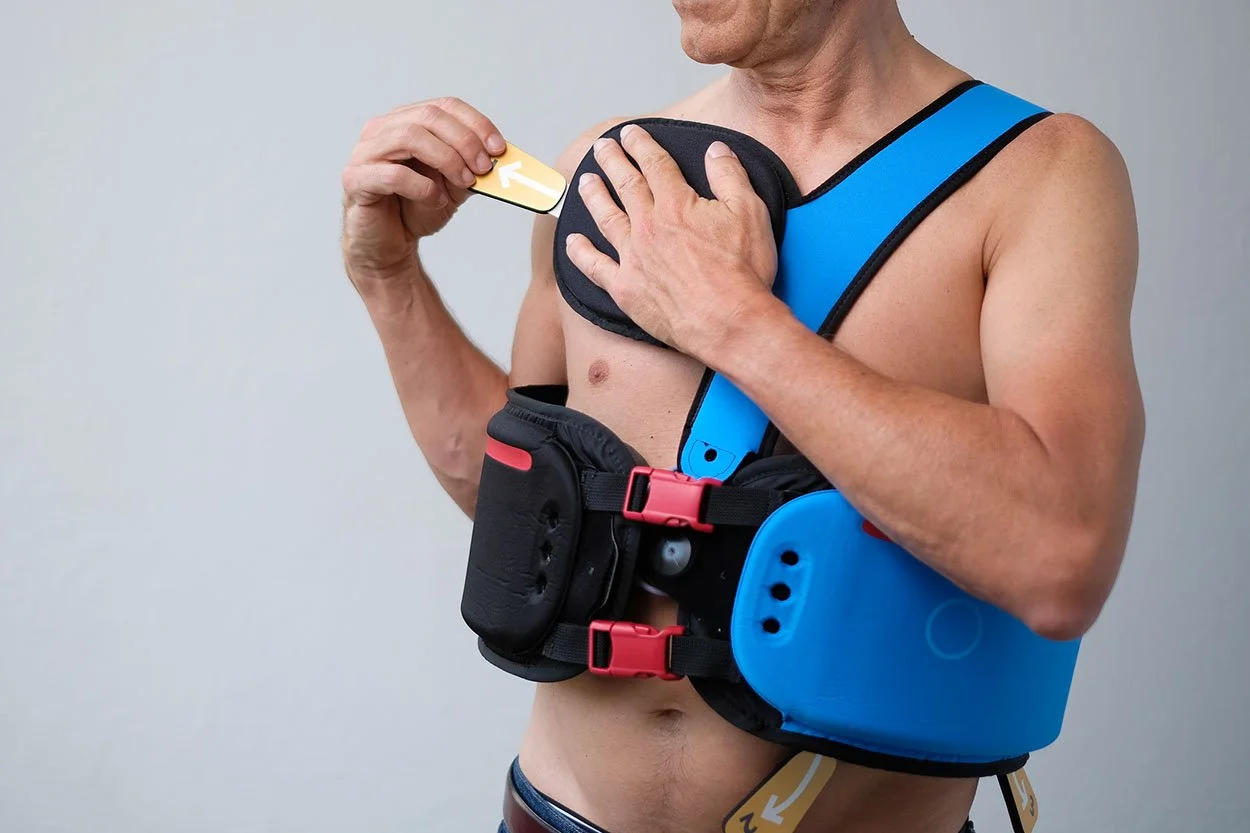
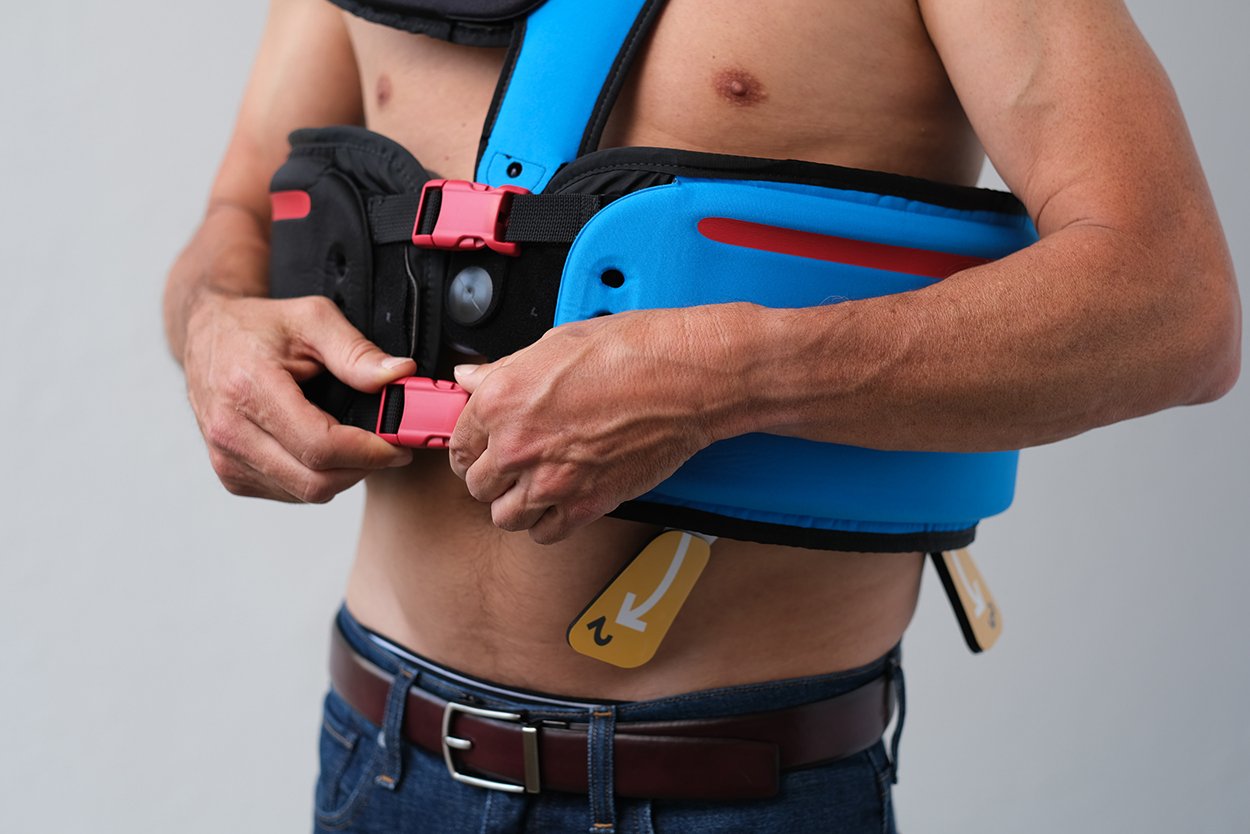
The Placement Accessory is a key component of the Jewel system, designed to enhance the patient experience by enabling easy self-application without the need for additional assistance.
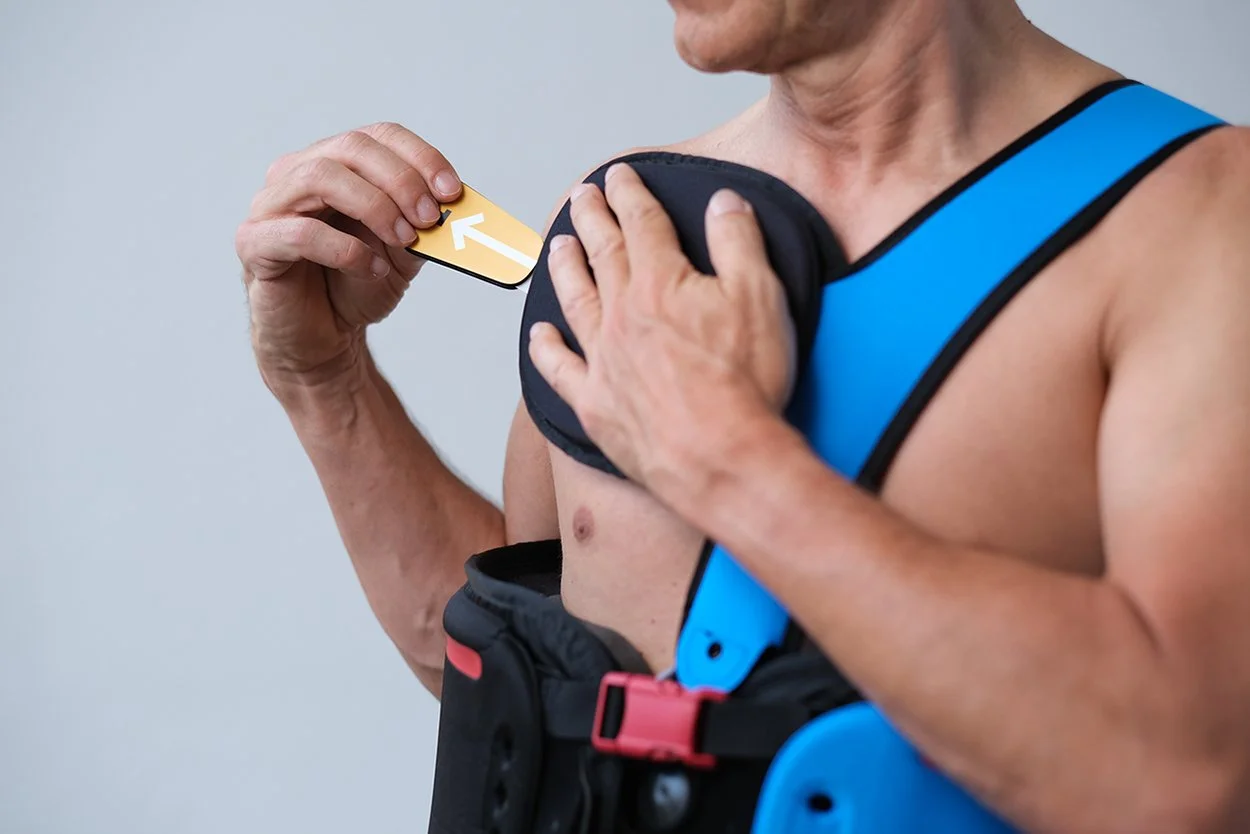
Functioning as an extra pair of hands, it helps locate and stabilize the device while ensuring even surface pressure on the body. This allows patients to confidently apply the Jewel by themselves, smoothly pulling the individual patch release liners during the application process.
The Placement Accessory is initially fitted to the patient at the hospital during training, where its geometry is locked into place. Unique markings serve as reference points, ensuring accurate repositioning if a replacement is needed.
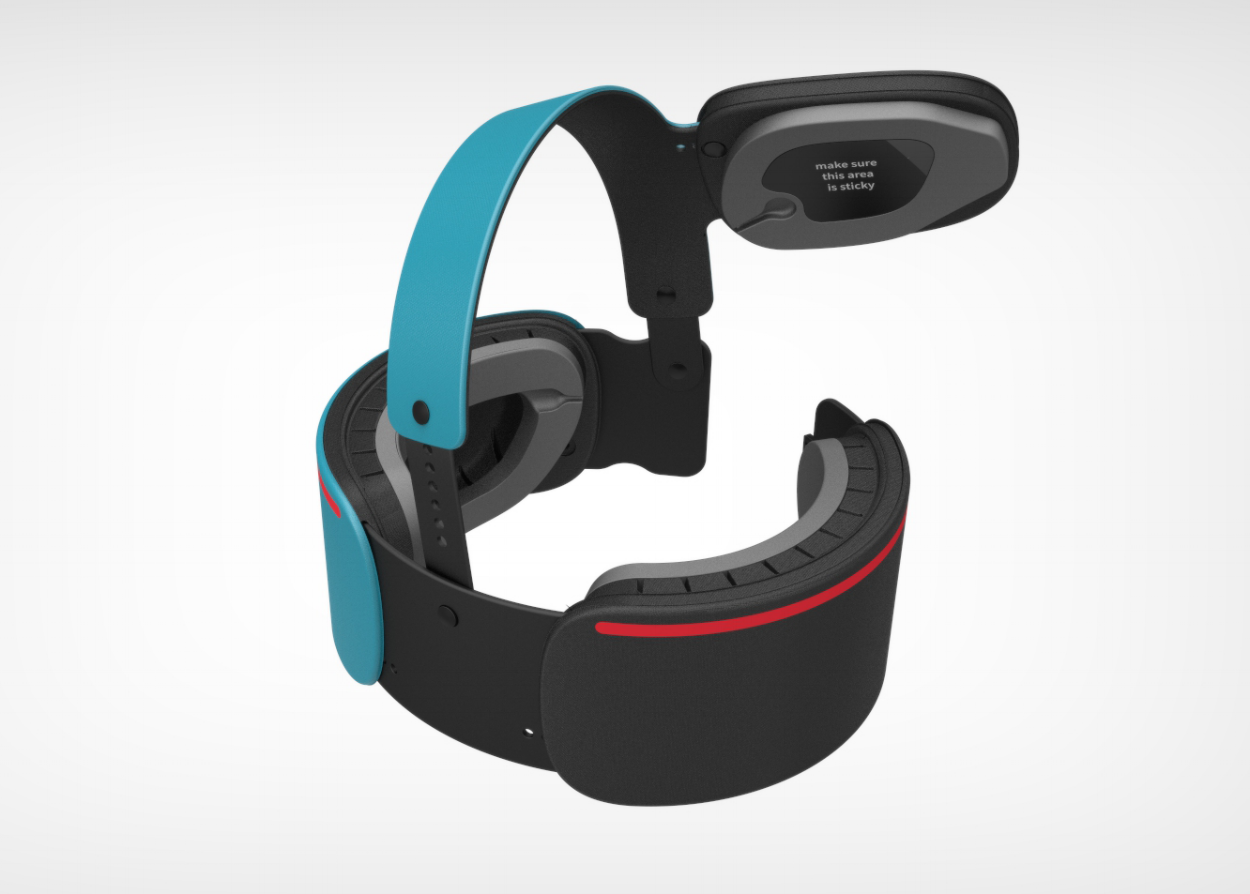
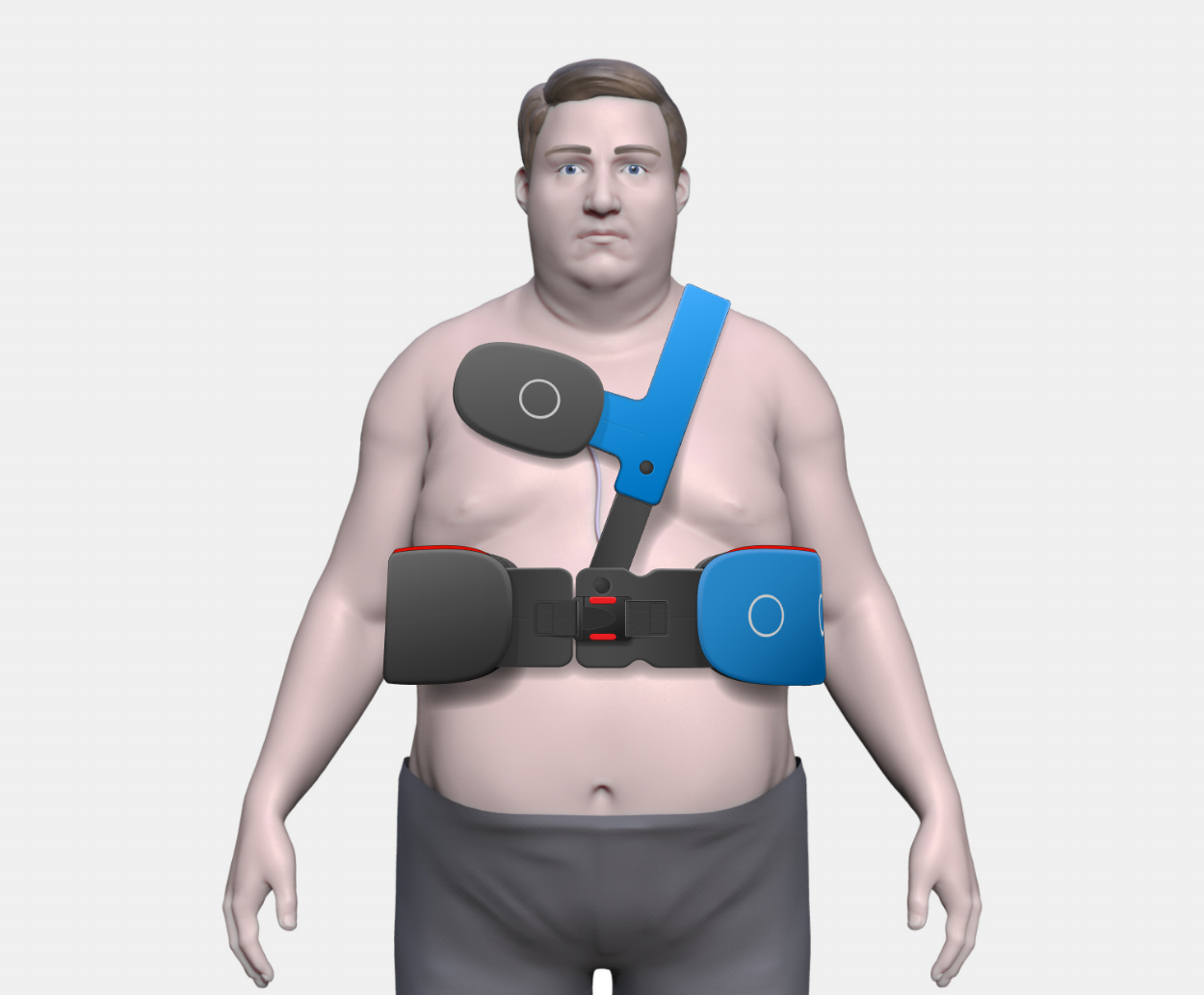
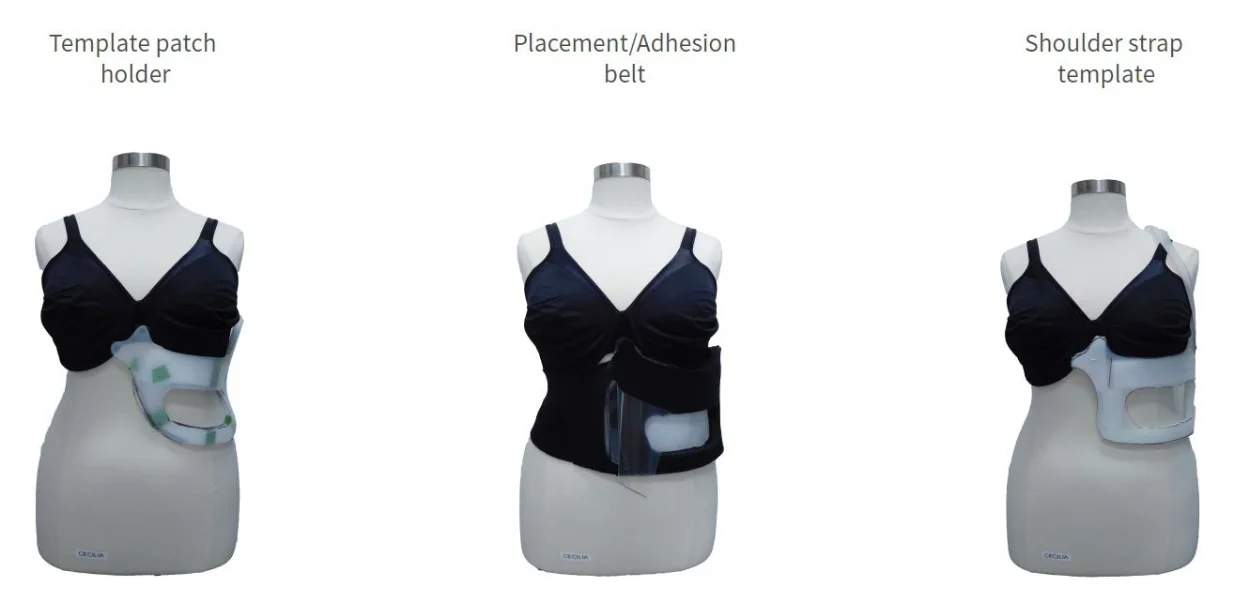
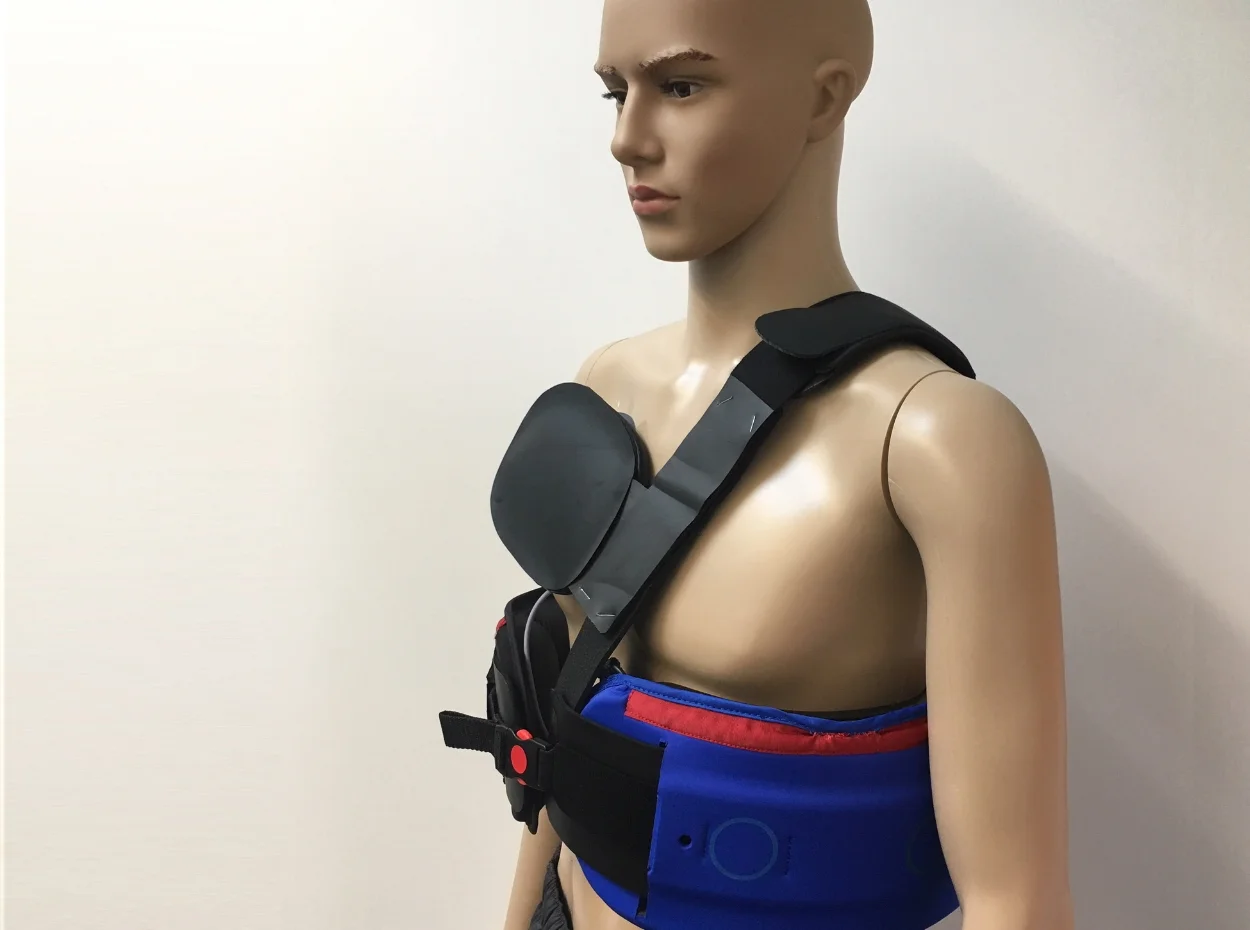
Designed for consistency and ease of use, a single shoulder strap connects the integrated upper patch holder to the main belt frame, creating a unified structure that maintains precise positioning on the body. The final design was developed based on strict business and clinical requirements, ensuring a cost-effective solution that supports long-term compliance while preventing incorrect device placement.
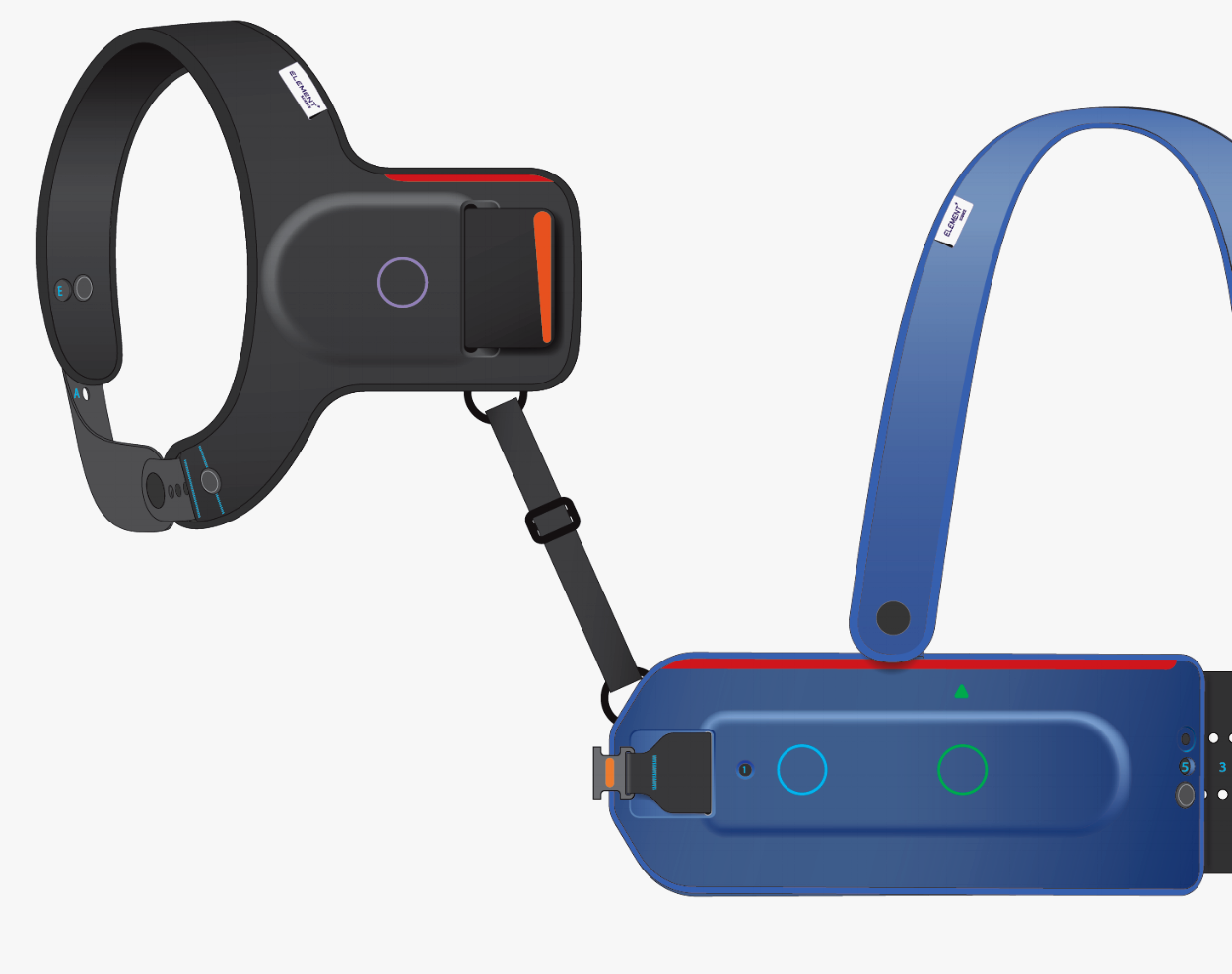
The contrasting black and blue color scheme is designed to aid orientation when positioning the belt on the body. This visual distinction specifically highlights the shoulder belt and lower patch holder areas, ensuring clear identification and correct placement on the left side of the torso.
The components on the Placement Accessory marked in red serve as alignment guides, ensuring the belt is properly positioned with specific body landmarks. This attention to detail has simplified the application process for patients, making it easier to follow and more intuitive. As a result, patients remain more engaged and confident throughout the three-month wear period of the Jewel.
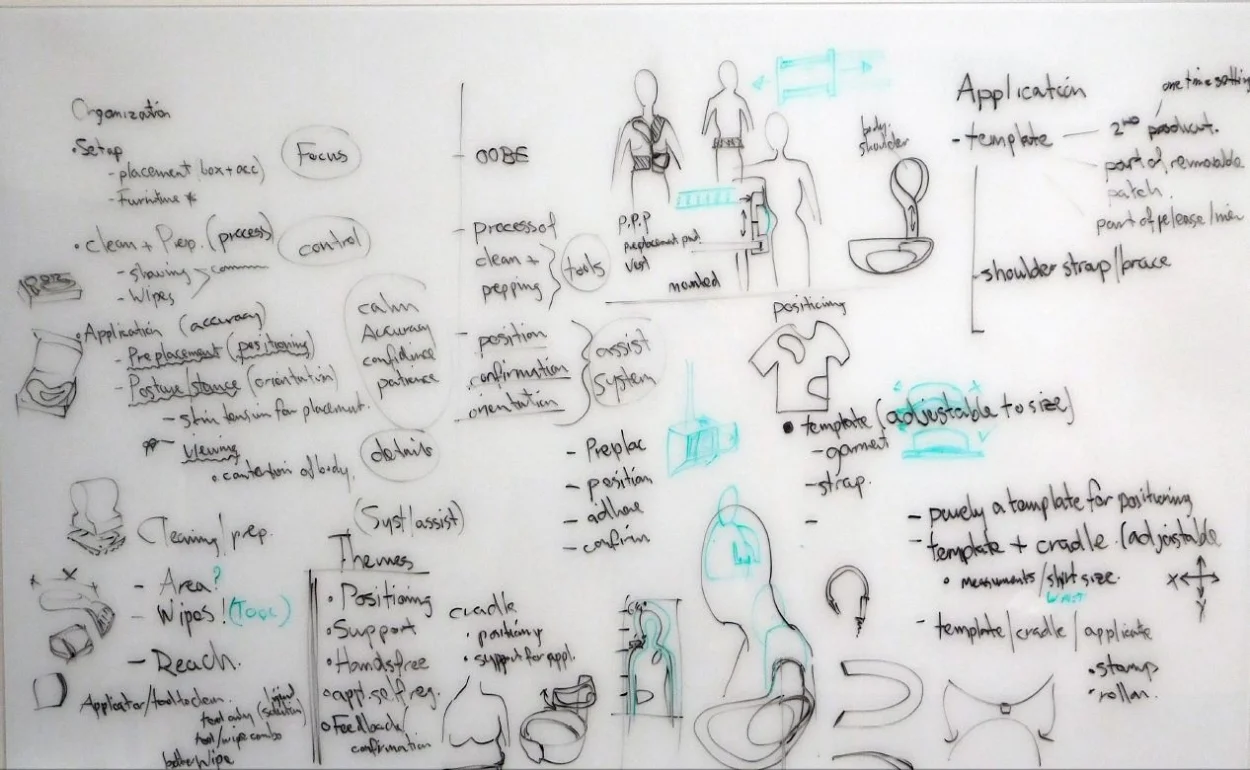
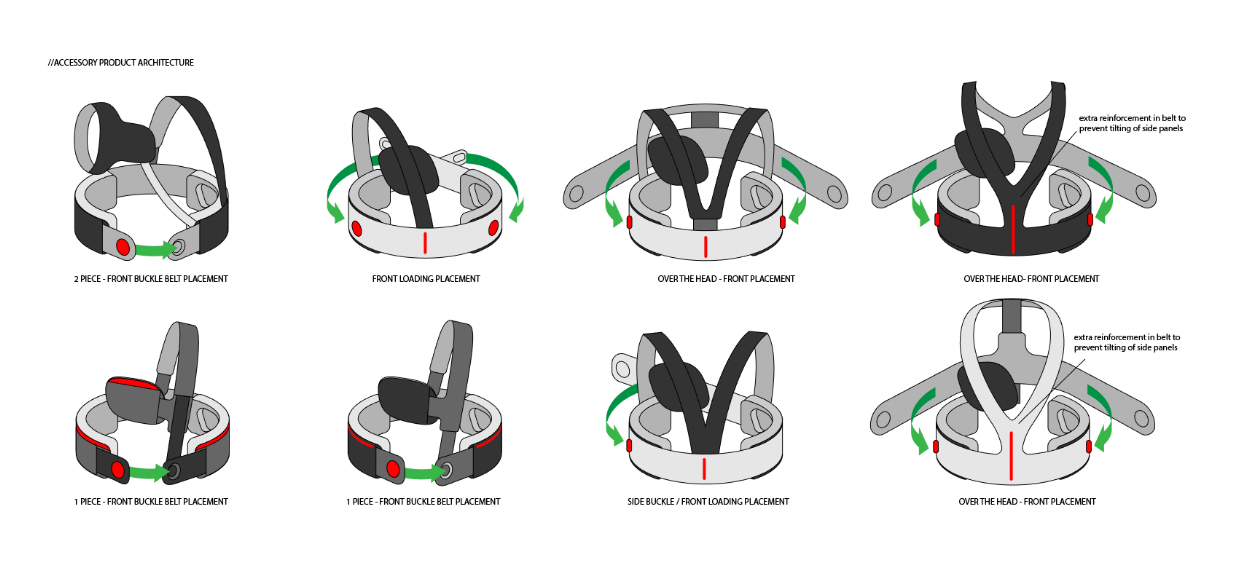
ID focused - A first-principles approach was applied to the challenge, systematically mapping out the fundamental elements required for effective patch application. This foundational exploration guided the product strategy and informed key design requirements, ensuring a solution that prioritizes ease of use, accuracy, and long-term patient compliance.
A range of early concepts was explored to define the general method of placement while identifying opportunities to enhance usability, particularly for users with limited mobility. Various processes were considered to improve ease of application; however, cost played a significant role in the final design direction. This led to the development of a more manual yet replicable application method that balanced affordability with efficiency and patient accessibility.
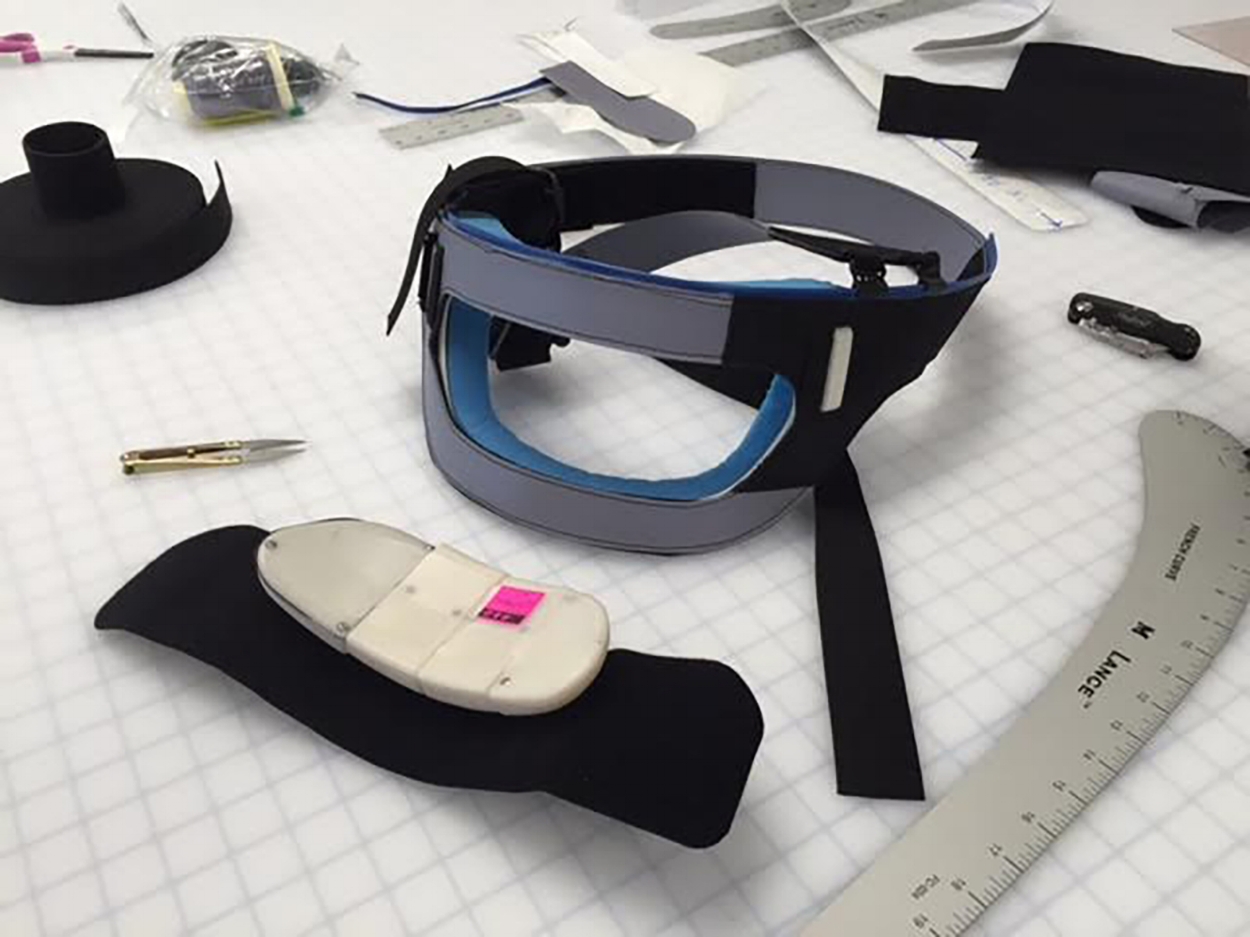
Multiple rounds of prototyping were conducted, progressively refining the design of the accessory to ensure it could consistently achieve reliable application. Through iterative testing, confidence grew in its ability to verify key attributes such as accuracy, stability, and ease of use, ultimately enhancing the overall patient experience.
A broader range of concepts emerged from ongoing form factor studies, utilizing hand-sewn soft-good prototypes tested with in-house participants. As the design evolved, the choice of fabrication shifted to compressed foam molding, which helped reduce tolerances while accommodating the necessary features that define the final product. This transition ensured greater precision, durability, and functionality in the overall design.
ID/ UX - The preliminary study prototype featured a separated upper patch pad connected to the main belt via an adjustable lanyard. Proposed graphics were integrated to simplify the application workflow, with pad-printed features on the product highlighting key touchpoints in the process. These visual cues aligned with the patient guide instructions, enhancing clarity and ease of use.
The final mockup of the chosen configuration established the foundation for the current design. Following the completion of the recent IDE clinical trial, the collected data has provided valuable insights into the efficacy of the Placement Accessory, evaluating how well the original product requirements were defined. Additionally, the findings highlight opportunities to further enhance the lifecycle experience from both a patient usability and business perspective.