
Innovative Patch Wearable Defibrillator Device - Industrial design/ UI /UX
Proprietary and Confidential
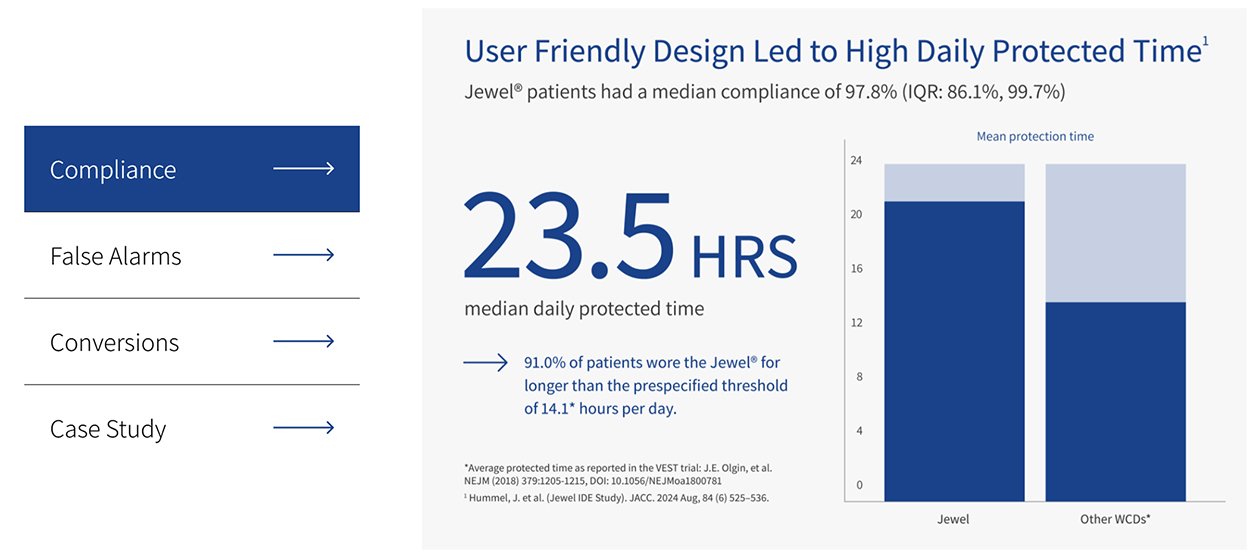
As of 2014, approximately 330,000 people experience life-threatening cardiac arrest each year, placing them at significant risk of sudden death during recovery. While the market is projected to grow at an annual rate of 8%, existing solutions fail to meet the compliance levels physicians require, averaging just 14.1 hours of wear per day.
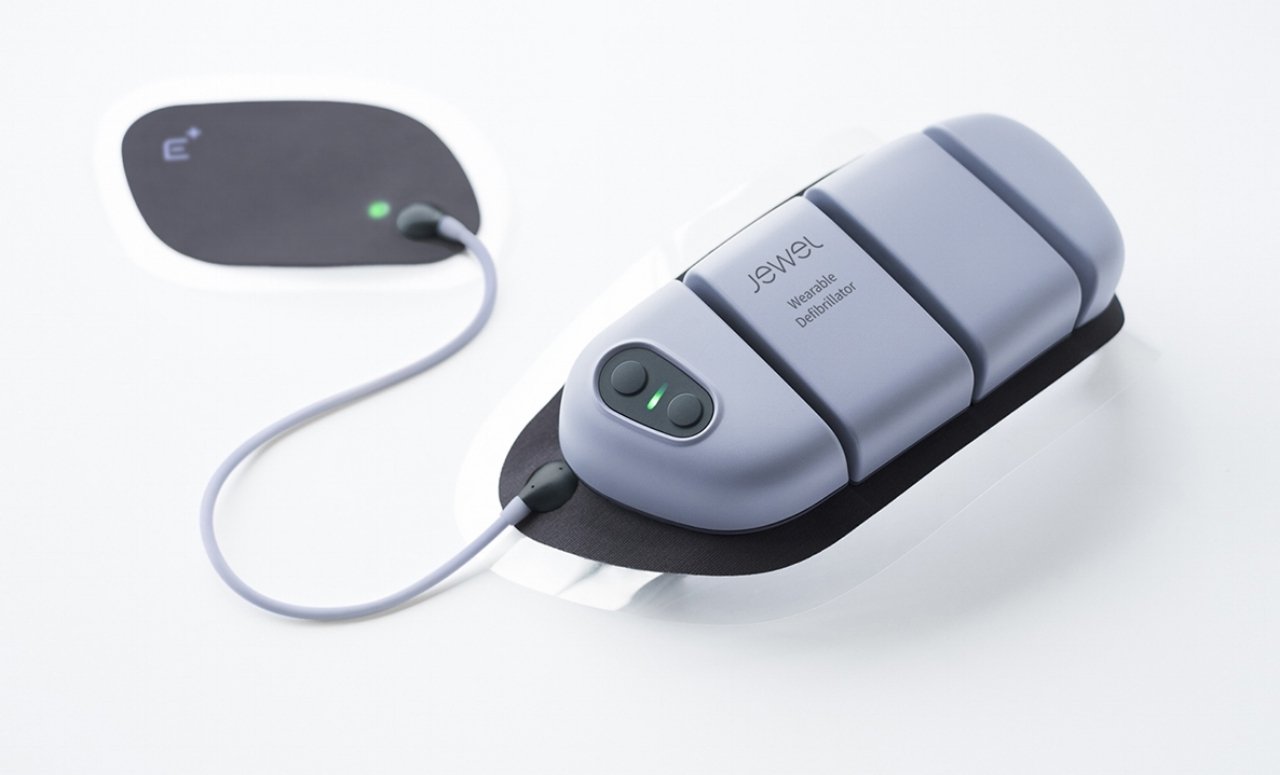
Element Science is on a mission to change this by offering a solution that seamlessly integrates into a patient’s lifestyle while delivering an exceptional user experience. By prioritizing comfort and usability, the goal is to ensure maximum compliance and improved patient outcomes. The Jewel is a patch-based wearable cardio-defibrillator designed for patients at high risk of cardiac arrest. Worn as a protective measure during the rehabilitation phase, it continuously monitors heart rhythms 24/7, issuing alerts and delivering life-saving therapy in the event of a dangerous arrhythmia.
I joined the company to define the vision and architecture for this groundbreaking wearable defibrillator. My role involved leading the development of a high-fidelity concept prototype while also assisting the founder in crafting and presenting the Series A funding pitch deck to early investors—including Google Ventures and Third Rock Ventures. Following a successful $38 million Series A funding round, I became a full-time member of the founding team, spearheading all Design and User Experience efforts. My work encompassed defining the patient experience and journey, shaping the defibrillator product and branding strategy, and leading initiatives related to accessories, packaging, digital applications, and operational processes.
In 2024, the company completed a successful clinical trial, saving six lives and earning an endorsement from the American Heart Association based on outstanding results and high patient compliance. With this strong foundation, the company is now advancing toward commercialization of the Jewel system in the U.S. market.
The Jewel Wearable Cardioverter Defibrillator is a prescription-based B2B therapeutic monitoring medical device designed to empower outpatient users with greater independence. By reducing hospital stays and minimizing disruption to daily life during rehabilitation, the Jewel helps patients feel less like traditional patients and more in control of their recovery.
To support the seamless use, the Jewel defibrillator includes an accessory starter kit containing essential tools for easy device application and removal. Additionally, the kit ensures patients can maintain optimal long-term skin care, enhancing comfort and adherence throughout their treatment.
The adhesive based self-contained wearable device redefines the defibrillator category in the market, with new ground breaking features that stands out from the current competitors. Jewel is paradigm shift in how wearables are being worn, transferred directly to the skin and made water resistant that allows it to be worn under the shower for continuous uninterrupted monitoring and protection in the event of experiencing sudden arrhythmia.
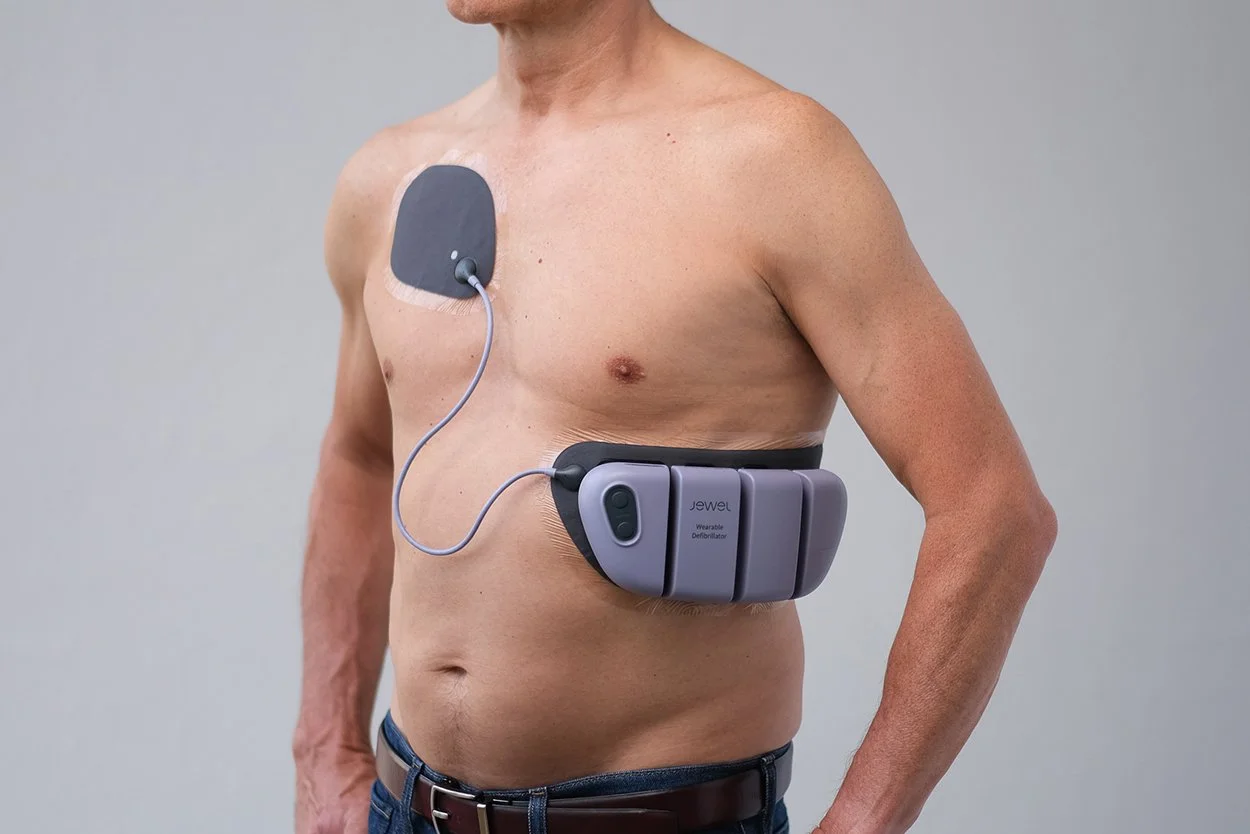
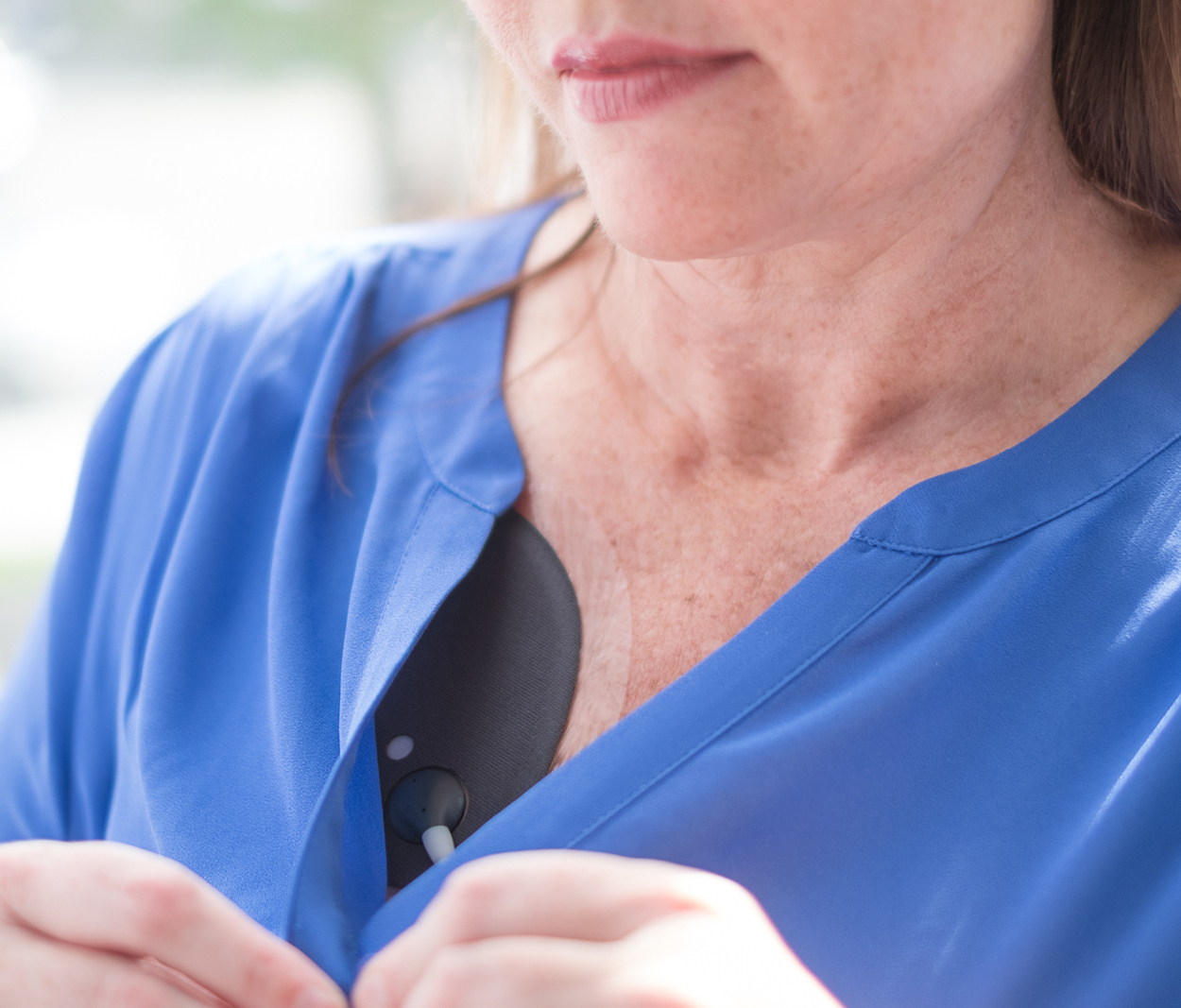
The anterior-lateral placement of the device is strategically designed to allow patients to visually check both patches in a mirror. This positioning also enables the Jewel to function as a one-size-fits-all device for individuals within a specific BMI range, accommodating the majority of the target patient population. In contrast, competitor systems rely on compression vests with custom-sized garments tailored to the patient’s torso size and weight.
Additionally, the placement is clearly marked for easy identification by EMT personnel in case of emergencies and remains readily accessible for further medical intervention if needed.
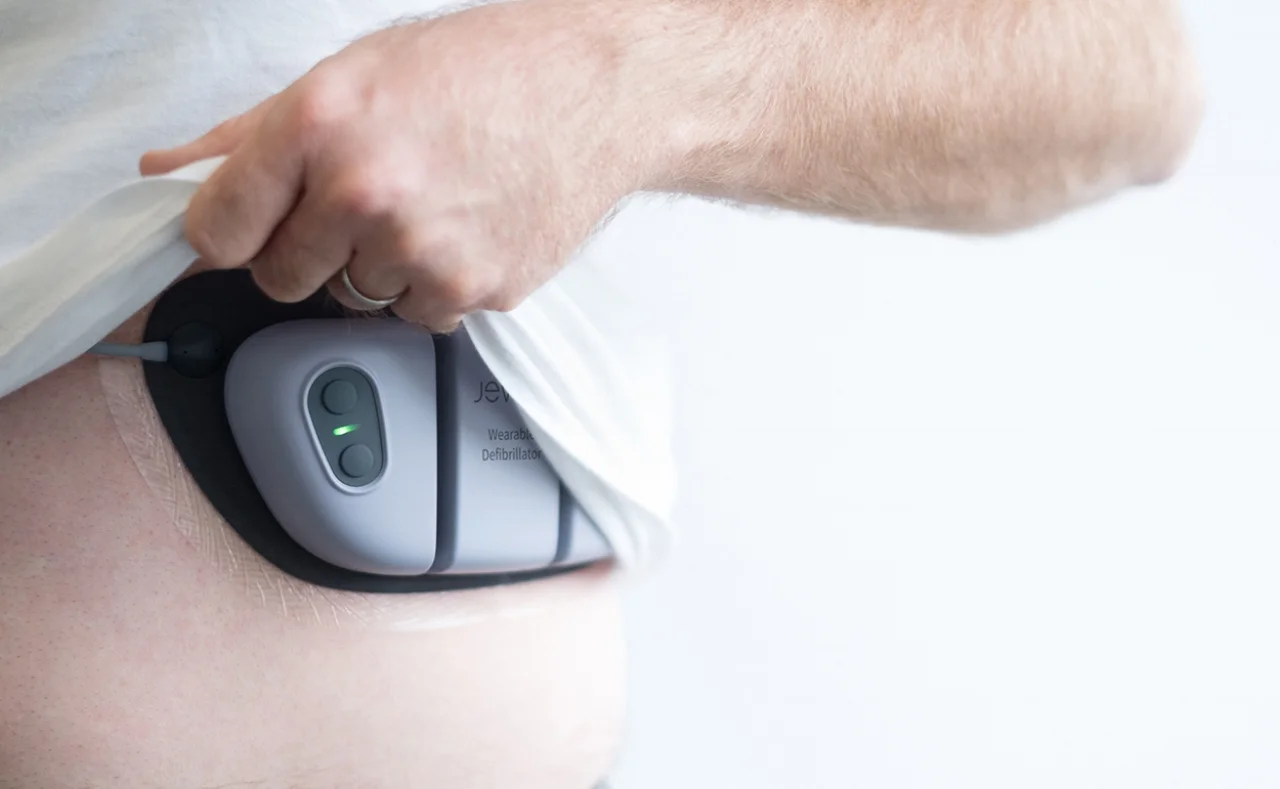
The Jewel is designed to be applied to the skin along a specific vector relative to the heart, discreetly worn under clothing while adapting seamlessly to the body's natural movements. This enhances the user's connection with the device, creating a more intimate experience compared to traditional wearables. Its ergonomic design, along with carefully positioned touchpoints on the patches and monitoring unit, aligns harmoniously with the torso, ensuring a seamless integration with the body.
The device utilizes a combination of visual, haptic, and audible alerts to keep the user informed about their wear schedule and the status of the Jewel. The user interface has been thoughtfully designed to foster a sense of connection, encouraging users to perceive the Jewel as a guiding companion rather than just a device.
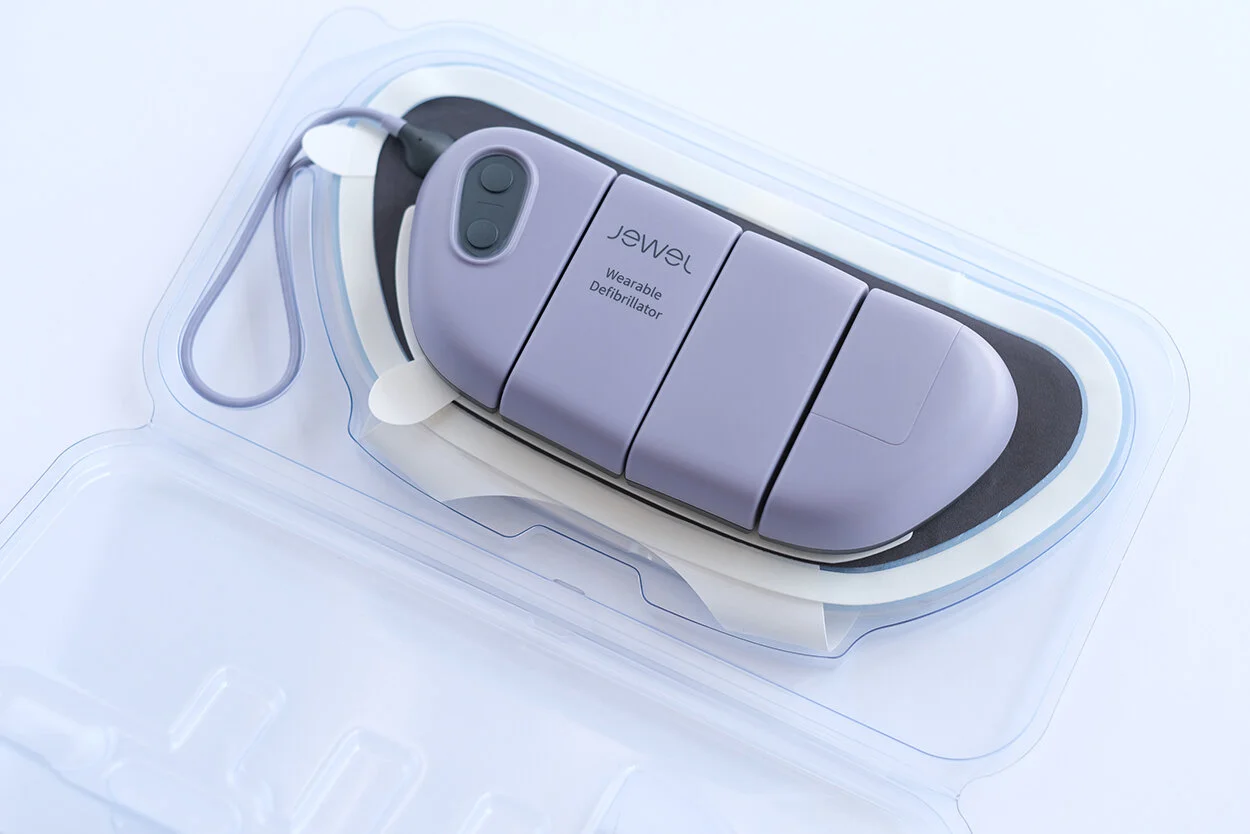
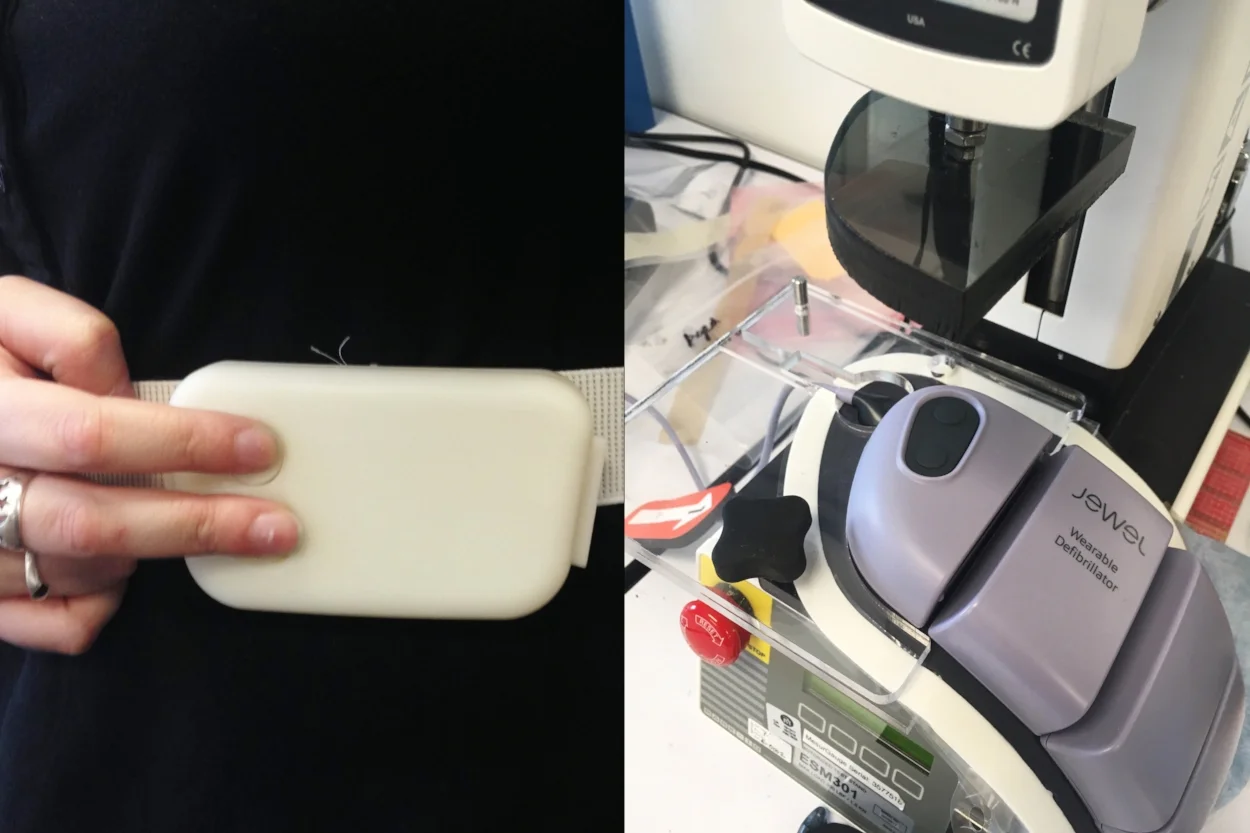
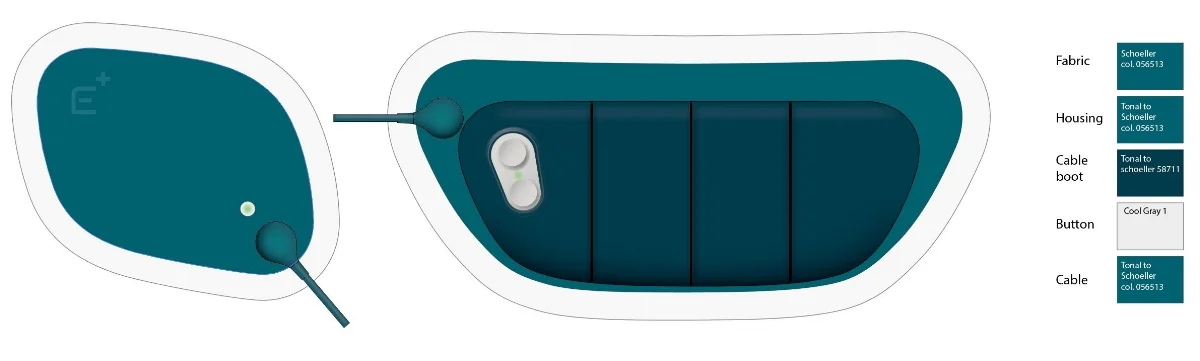
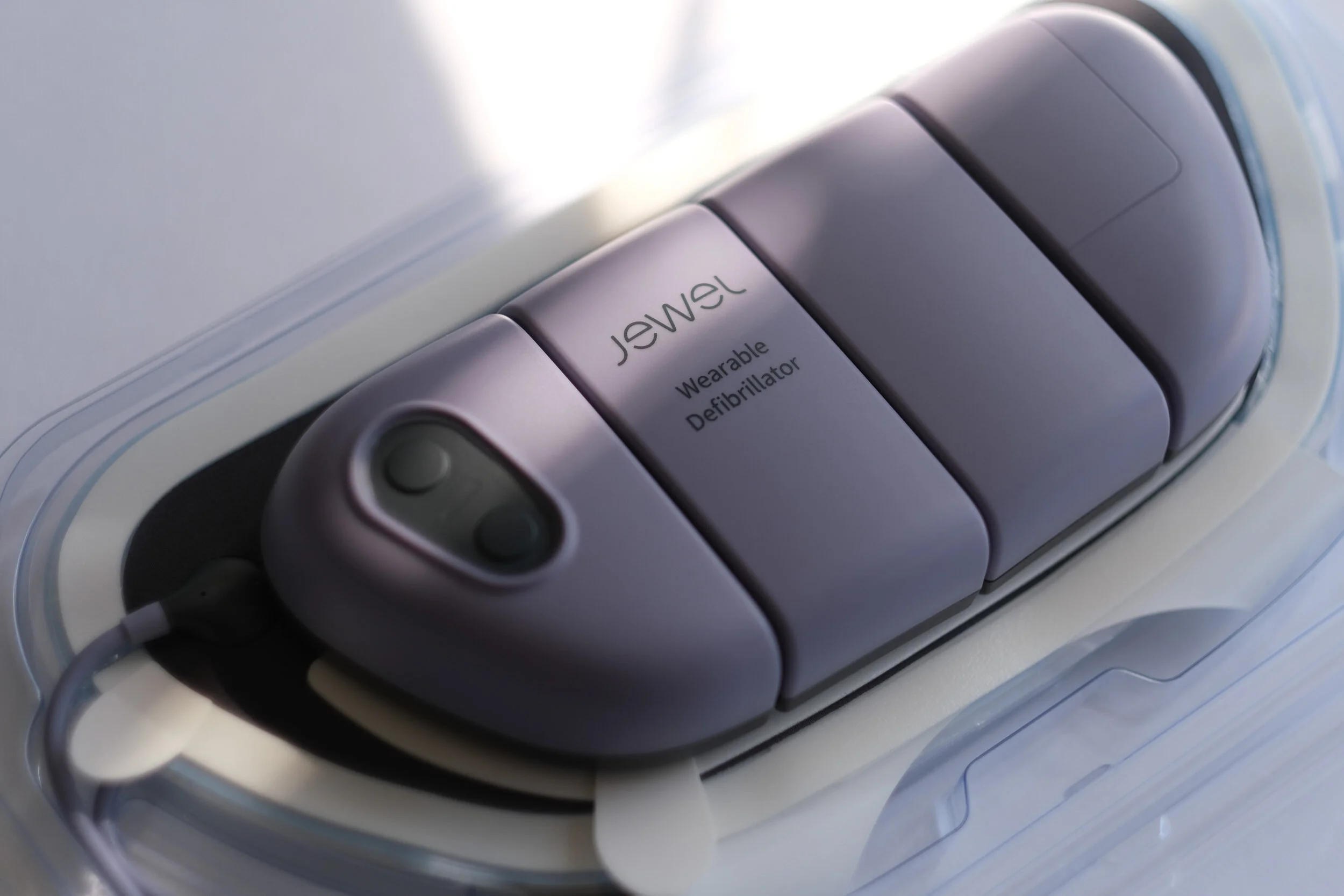
Equipped with two easily accessible buttons, the Jewel allows users to interact with it effortlessly, even through clothing. This provides a sense of control and reassurance, enabling quick responses to false alarms and ensuring a stress free and reliable experience.
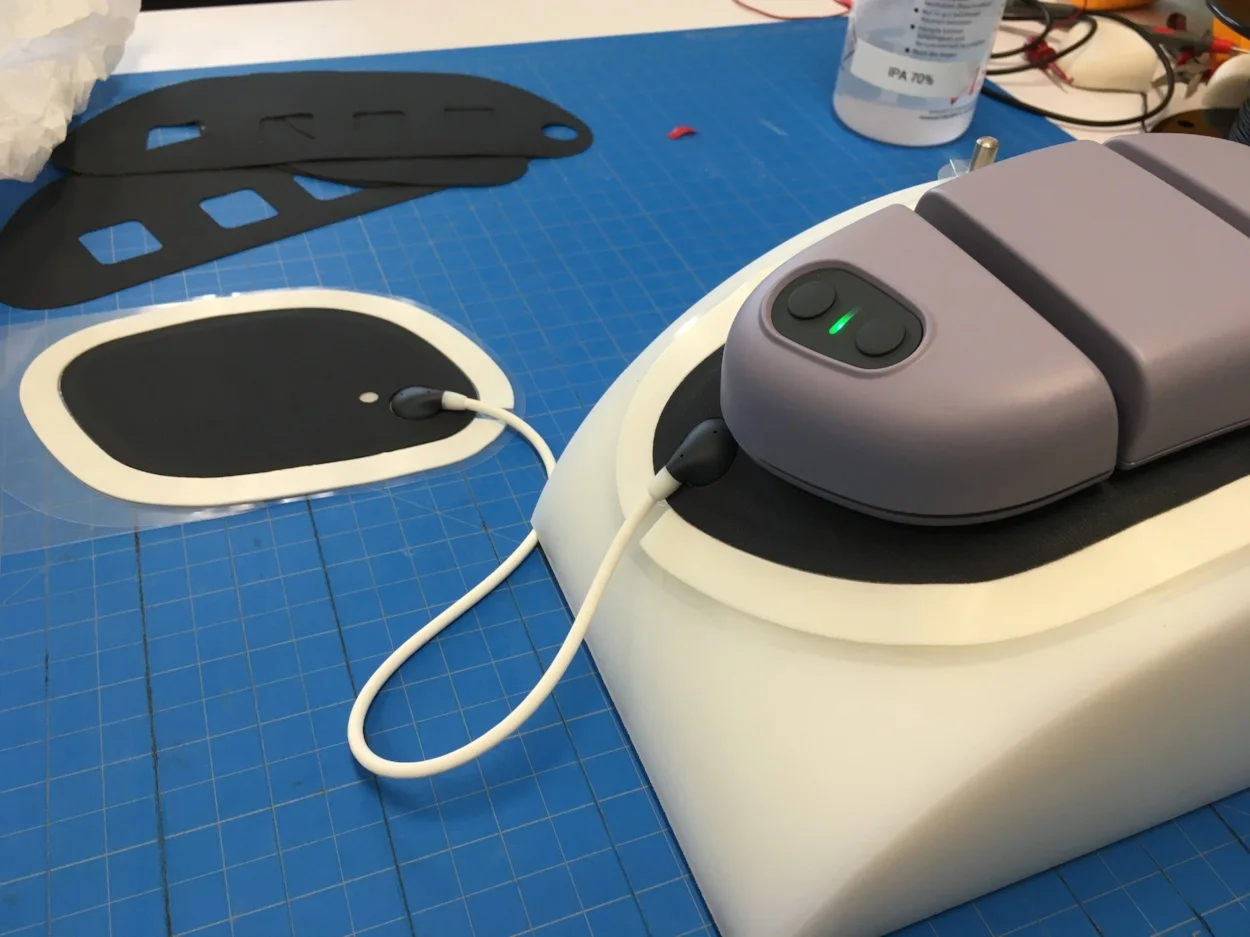
The low profile upper patch has a secondary light indicator that provides additional visual feedback to the patient and bystanders, bright enough to show through the persons clothing, during Jewel alerts and alarms.
Classified as a durable medical device, the Jewel monitoring unit remains with the patient for the entire prescription period. In contrast, the patches are single-use and can be returned to the company upon request after each wear for proper disposal.
Throughout the prescription period, the patches have to be replaced approximately once a week to ensure the Jewel continues to properly protect the patient. The device is able to sense when the patches are no longer viable and will alert the patient on replacement.
Incorporating a patented connection system, the Jewel adapts well to body position and during a swap, can be easily disassembled and reassembled onto a new a patch to reduce overall downtime where the patient is not being protected.
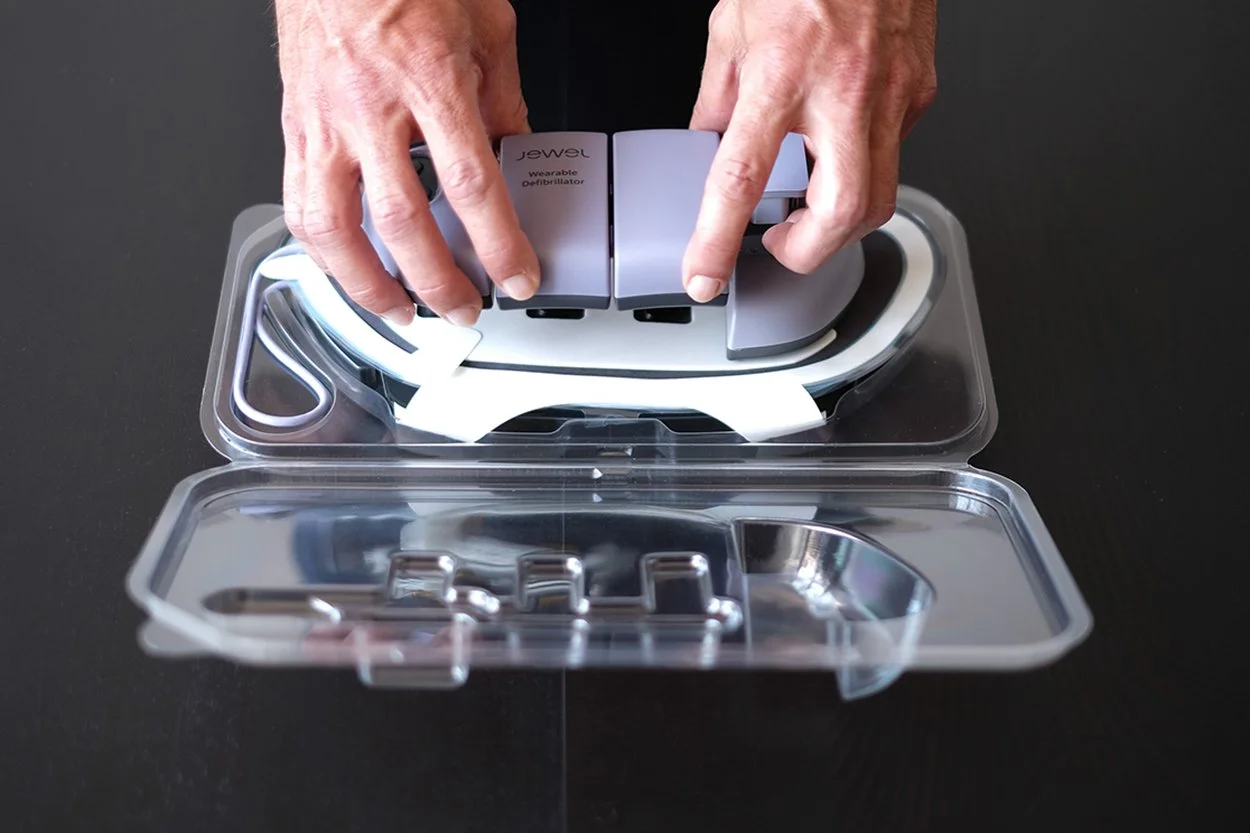
Each patch is securely packaged in a protective shell and sealed in an airtight pouch, designed to minimize handling during the application process.
The IDE clinical study was conducted across multiple sites in the U.S., strategically selected to reflect the true demographics of the current market. This approach ensured that the Jewel could demonstrate compliance across diverse locations and patient populations.
Each patient wore the Jewel for up to three months, with an option to extend the prescription for an additional three months if necessary.
Among its key achievements, the Jewel has demonstrated superior performance compared to existing competitors, achieving a remarkable median daily wear time of 23.5 hours - far exceeding the industry standard.
During the trial, the Jewel successfully saved six patients, each with a 100% single-shock success rate. Some cases required multiple individual shocks within an hour while EMTs were being alerted, further proving the device’s high efficacy. These results reinforce that the Jewel is the breakthrough solution physicians have been seeking to improve patient outcomes and compliance.
ID/ UX/ ME - A key component in delivering an optimal user experience was evaluating the device’s response time when worn under clothing. The primary goal was to instill patient confidence by ensuring that button presses resulted in immediate and reliable feedback, allowing users to override certain actions as needed. Additionally, extensive testing focused on the audibility of alarms, ensuring they could be clearly heard even when the patient was asleep or lying down. These factors were critical in enhancing usability, safety, and overall patient reassurance.
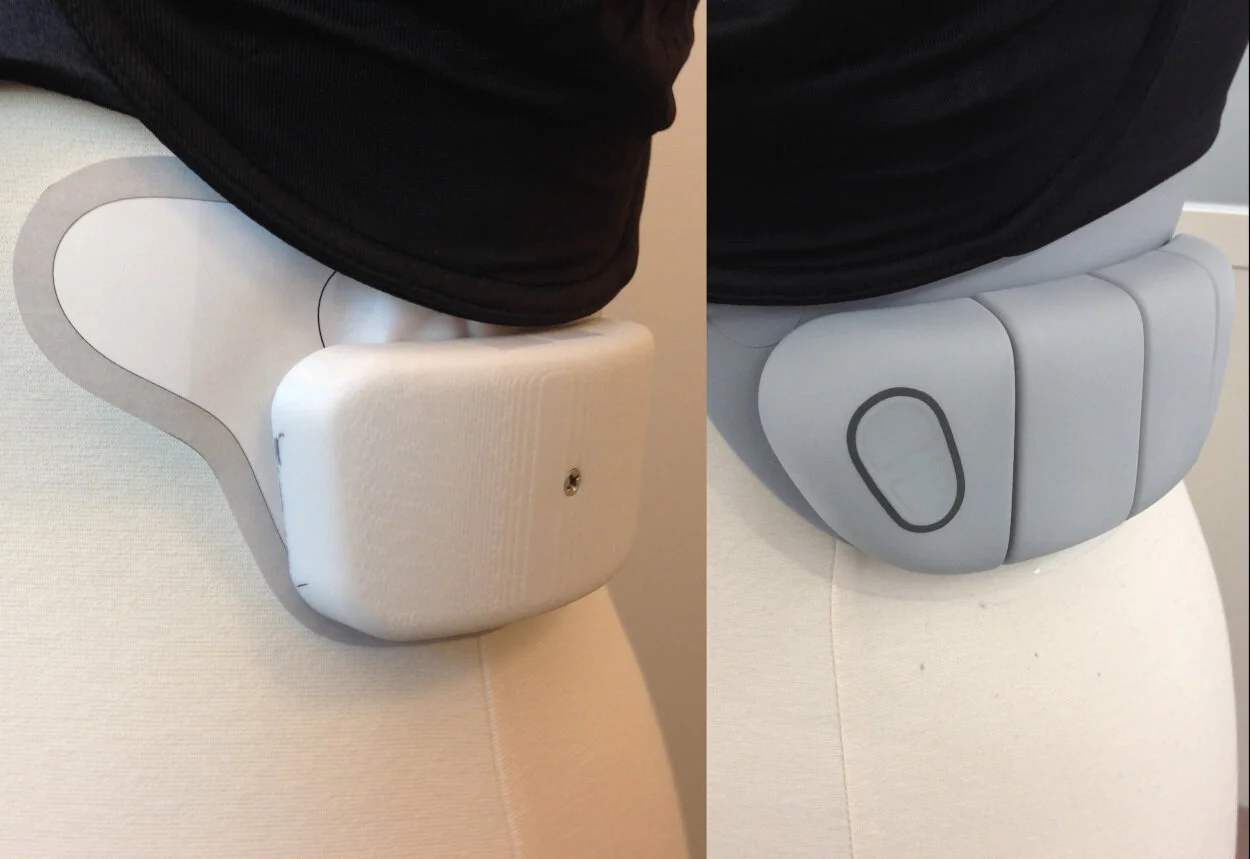
ID/ UX volume studies - Extensive prototyping and form factor testing were conducted to optimize both comfort and performance for long-term wear.
Multiple rounds of formative UX and DAQ system studies were carried out as the device components evolved over time. To ensure real-world applicability, participants from the target user group, including both internal and external wear testers, were recruited throughout the R&D process. These studies focused on refining both the patch design and the influence of the monitoring unit’s form factor.
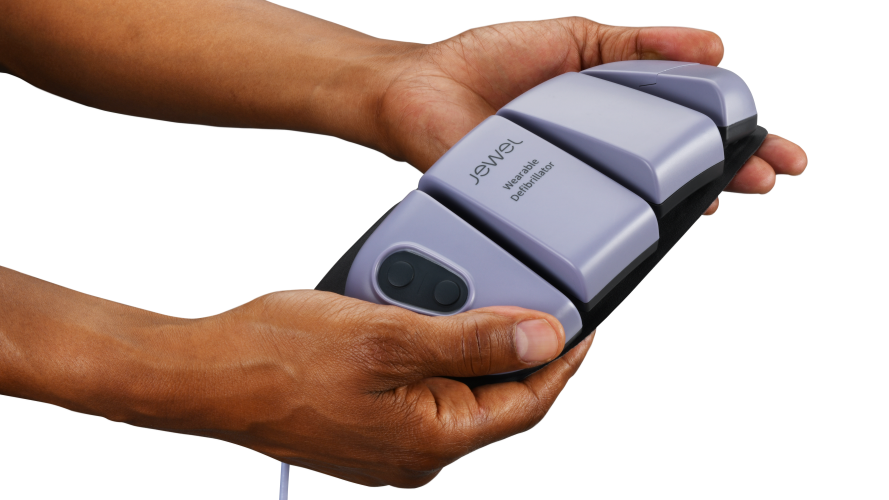
The final design direction resulted in a segmented housing module with flexible interconnections, enabling articulation to accommodate various body sizes and postures. This adaptability enhances both fit and usability, ensuring a more comfortable and effective user experience.
ID/ ME - rigorous product systems testing throughout the course of development to ensure the Jewel is able to pass all the demanding safety requirements as a Class 3 medical device.
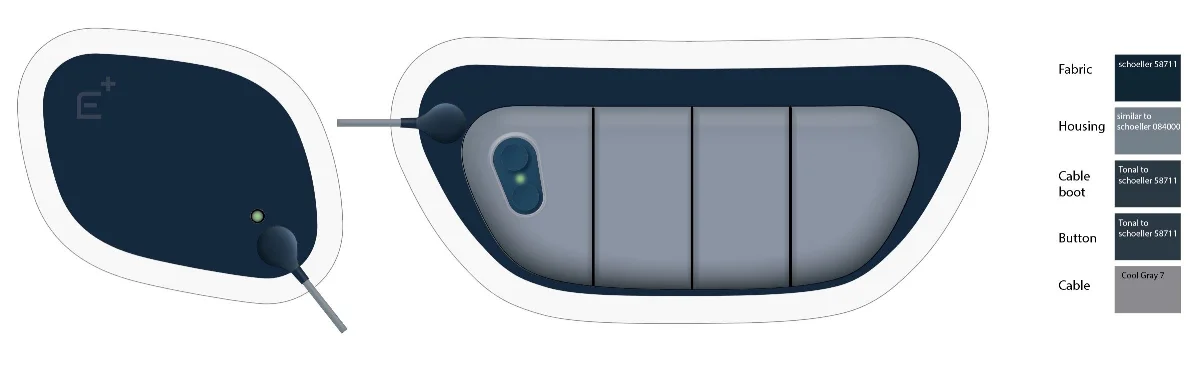
ID/ CMF exploration - limited by the color choice of the patch fabric, the muted color finish on the main Monitoring Defibrillator Unit (MDU) was chosen based on not having the product show through certain articles of clothing, making the product appear more discrete in public.
The Jewel branding was designed with a subtle touch of humor, incorporating a palindrome that remains clearly legible in the mirror. This creative detail further emphasizes the versatility of the Jewel WCD. Throughout the removal and application process, patients frequently use a mirror to ensure proper placement and maintenance, making the mirrored readability a functional and thoughtful design element.